Introduction
In the realm of digital art, 2026 marks a pivotal moment with the rise of DALL-E 3, an innovative AI tool from OpenAI that is transforming the creative landscape. Building on its predecessors, this cutting-edge technology is designed to generate stunning and imaginative visuals from textual descriptions, enabling artists and creators to unlock new dimensions of creativity. The implications of DALL-E 3 are profound, as it democratizes artwork creation, making intricate designs accessible to everyone from seasoned professionals to casual hobbyists.
DALL-E 3 is not just another version of its predecessors; it incorporates advanced features that expand its capability for generating art that is not only visually striking but also highly customizable. With the remarkable ability to interpret complex narratives and execute them in visual form, DALL-E 3 is revolutionizing how we think about art and creativity.
This article will explore the impactful features of DALL-E 3, discuss its potential users, outline its pros and cons, and delve into its transformative effects on the art world and beyond.
Overview of DALL-E 3
DALL-E 3 is an AI-driven image generation tool that utilizes deep learning to create images from natural language prompts. It employs advanced neural networks that have undergone extensive training on a diverse dataset, allowing it to produce high-quality visuals that adhere closely to user specifications. Unlike its predecessors, DALL-E 3 can interpret subtleties in language, making it capable of generating images that encapsulate the essence of nuanced concepts.
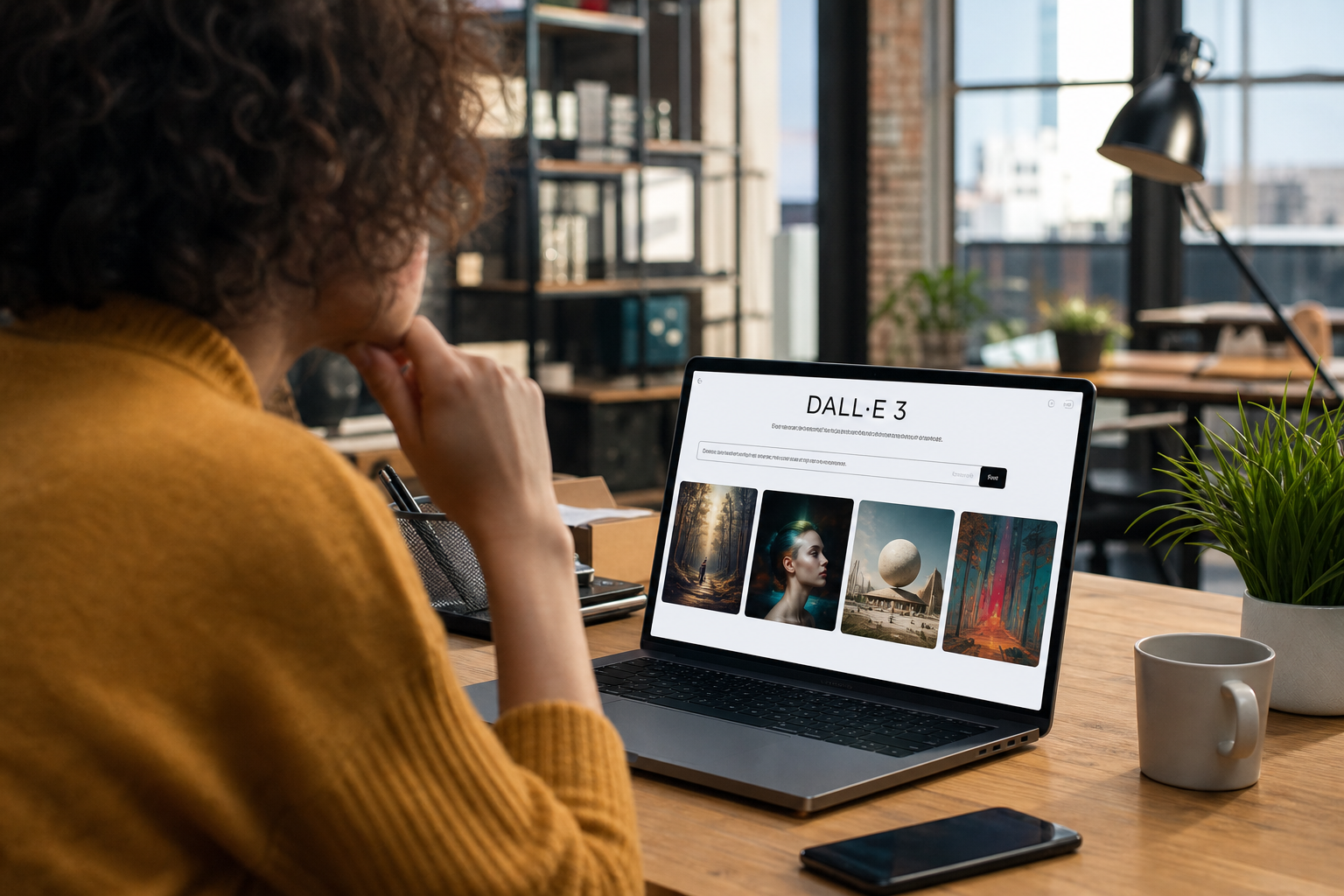
The tool is particularly user-friendly, featuring an intuitive interface that encourages artists and non-artists alike to explore their creative potential. With DALL-E 3, users simply enter a text description, and the AI generates multiple variants of images, each reflecting different artistic styles and interpretations based on the prompt provided.
This revolutionary tool has garnered attention for its ability to not only create images but also assist artists in brainstorming ideas, refining concepts, and even completing projects. Whether it's for marketing materials, game design, or personal art projects, DALL-E 3 offers a plethora of possibilities.
Key Features of DALL-E 3
One of the standout features of DALL-E 3 is its **enhanced contextual understanding**. The AI has been designed to grasp the implications of complex prompts, making it adept at producing images that reflect intricate narratives. For instance, a user might input, "a futuristic city skyline at sunset, with floating vehicles and neon lights," and DALL-E 3 will generate visuals that encapsulate this vision in breathtaking detail.
Another pivotal feature is **style transfer**, which allows users to specify the artistic style they want to emulate. From oil painting to digital illustration, DALL-E 3 can mimic various artistic techniques. This empowers users to craft images that not only match their narrative but also fit the aesthetic they envision.
DALL-E 3 also introduces a **collaborative feature**, enabling users to work on projects collectively. This is especially useful for teams and communities looking to engage in creative endeavors, as it allows for real-time input and modifications, making the artistic process more dynamic and inclusive.
Who Is DALL-E 3 For?
DALL-E 3 caters to a wide range of users, making it accessible and useful for virtually anyone interested in creating images. This includes **graphic designers** who seek to augment their creative workflow, as they can use the tool for brainstorming concepts or developing drafts. The ability to generate a variety of images based on a single idea makes it a potent asset in the design industry.
Moreover, **artists and illustrators** can benefit significantly from DALL-E 3, as it facilitates the exploration of styles and concepts without requiring the extensive time typically associated with concept art. By integrating AI into their workflow, artists can focus more on refining their craft while allowing the tool to handle some of the groundwork.
Additionally, **educators and students** can leverage DALL-E 3 for learning and experimentation. It can serve as an engaging way to teach art concepts, visual storytelling, and even programming, as students can interact with AI-generated art in real-time, fostering a deeper understanding of both art and technology.
Pros and Cons of DALL-E 3
As with any tool, DALL-E 3 comes with a set of advantages and drawbacks. On the positive side, its **ease of use** sets it apart from traditional art software, making it accessible to users with varying degrees of technical proficiency. The quick turnaround time on image generation can significantly increase productivity, allowing users to iterate on concepts rapidly.
Additionally, DALL-E 3's **diversity in output** is another major advantage, as it offers a multitude of image variants based on a single prompt. This feature encourages experimentation and often leads to unexpected but delightful results.
However, the tool is not without its limitations. One of the notable drawbacks is that **image quality can vary** depending on the complexity of the input prompt. While DALL-E 3 excels at interpreting detailed descriptions, overly vague or abstract prompts can result in images that fail to meet user expectations. Furthermore, there are **ethical considerations** surrounding AI-generated art, such as copyright issues and the potential for misuse.
Pricing and Accessibility
DALL-E 3 operates on a **subscription-based model**, providing various pricing tiers to accommodate different user needs. While exact pricing may vary, the base subscription generally ranges from $20 to $30 per month, giving users a set number of image generations or credits each month.
OpenAI also offers packages for educational institutions and business professionals, allowing for team collaboration and bulk usage. This not only makes it affordable but also promotes widespread usage among communities and organizations.
The accessibility of DALL-E 3 is further enhanced through its availability as a mobile app, making it convenient for users to create on-the-go. Whether at home or in a coffee shop, anyone with a smartphone can tap into this revolutionary tool and unleash their creativity.
Conclusion
In 2026, DALL-E 3 has emerged as a transformative force in the digital art world, providing unprecedented opportunities for creativity and expression. By combining advanced capabilities with user-friendly features, it empowers a diverse range of users to generate stunning visuals from their ideas. While it brings challenges, such as variability in output quality and ethical considerations, the overall impact of DALL-E 3 on the creative landscape is undeniable.
As artists and creators continue to explore the vast potential of this tool, we can expect to see innovative artworks and ideas that push creative boundaries further than ever before. Visit IAflash.co for more AI tool reviews and tips.