Introduction
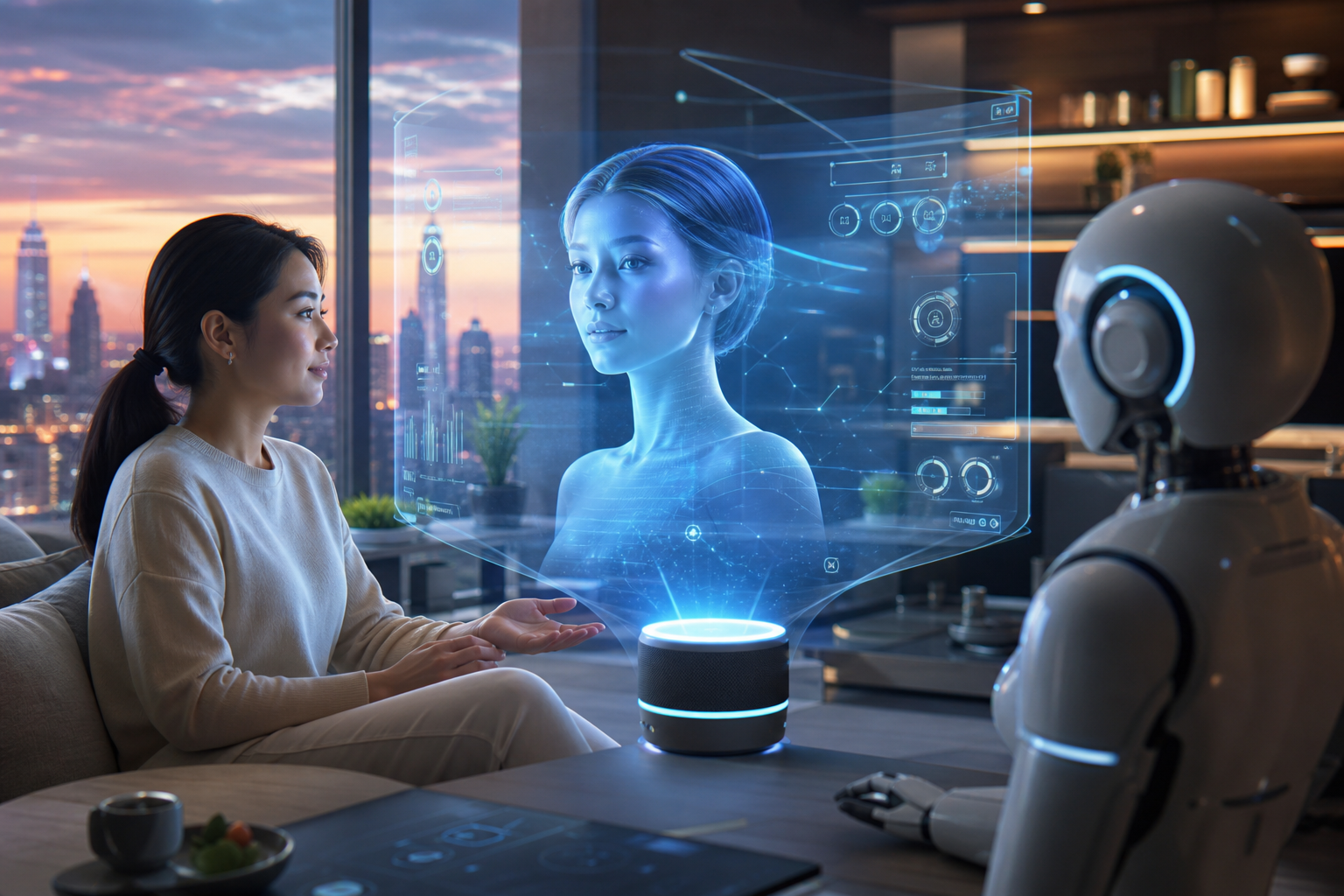
As we transition through the 2020s, the landscape of technology continues to evolve at an extraordinary pace. By 2026, we are witnessing a significant surge in the use of artificial intelligence-Powered Personal Assistants (AIPAs). These intelligent systems are redefining how we interact with technology, streamlining daily tasks, enhancing productivity, and reshaping our digital experiences. This blog post delves into the rise of AIPAs, exploring their functionalities, benefits, potential challenges, and practical implications for users.
The Evolution of AI-Powered Personal Assistants
The journey of personal assistants began with basic voice recognition technology, serving primarily to perform simple commands. However, as AI algorithms have become more sophisticated, we now have AIPAs capable of understanding context, learning user preferences, and predicting needs. Companies like Amazon, Google, and Apple have heavily invested in refining their assistant offerings—Siri, Google Assistant, and Alexa, respectively. Now, as we venture further into 2026, new players and technologies are entering the market.
According to a recent report, the global market for AIPAs is expected to exceed $35 billion by 2027, driven by increased adoption across various sectors, including healthcare, finance, and education. This growth reflects users' increasing desire for seamless, hands-free operations and real-time assistance.
The integration of deep learning and natural language processing (NLP) has been pivotal in this evolution. AIPAs can now handle complex interactions through enhanced conversational capabilities, making them more than just basic tools. They are becoming integral components of our daily lives, efficiently managing tasks, scheduling, reminders, and even making recommendations based on user behavior.
Key Features of AI-Powered Personal Assistants
The rise of AIPAs has been marked by several key features and functionalities that significantly improve user experience. These features make personal assistants more human-like, efficient, and adaptable.
- Natural Language Understanding (NLU): Unlike their predecessors, AIPAs can comprehend nuances in human language, including slang and idiomatic expressions. This allows users from diverse backgrounds who speak different dialects to engage with the technology more easily.
- Task Automation: AIPAs can automate repetitive tasks such as scheduling meetings, sending reminders, or managing emails, which frees up users to engage in more creative and productive pursuits.
- Personalization: These assistants learn from user interactions, enabling them to personalize responses and actions. For instance, if a user frequently orders a particular type of coffee, the assistant may suggest that item in future orders.
Furthermore, security features have significantly improved as well. Many AIPAs now employ strong encryption and two-factor authentication to safeguard user data, which is crucial for maintaining privacy in an increasingly digital world.
Popular AI-Powered Personal Assistants in 2026
As of 2026, several AIPAs have risen to prominence, each bringing unique characteristics and functionalities to the table.
- Google Assistant: Continues to be a powerhouse, integrating with various services and smart devices. Its ability to take actions based on contextual understanding sets it apart.
- Amazon Alexa: Known for its vast range of skills, Alexa is popular in smart homes, controlling everything from lighting to security systems effortlessly.
- Apple Siri: With advancements in privacy and personalized suggestions, Siri remains crucial for iOS users, particularly with deeper integrations into Apple's ecosystem.
- Microsoft Cortana: Although it initially faced tough competition, Cortana has pivoted to focus more on business and productivity applications, integrating efficiently within Microsoft 365.
Each of these assistants leverages machine learning to enhance their abilities continually. For instance, Alexa frequently updates its skills, allowing users to customize their experience based on real-time needs. Regulatory frameworks are also evolving to ensure ethical use, particularly concerning user data and privacy.
Benefits of Using AI-Powered Personal Assistants
The benefits of embracing AIPAs are manifold. As individuals and businesses begin to utilize these intelligent tools, they often report marked improvements in convenience and efficiency.
- Time Management: AIPAs help users save valuable time by handling minor tasks, thereby allowing users to focus on strategic activities. A research study revealed that individuals can save up to 15 hours a week on various time-consuming tasks when effectively utilizing AIPAs.
- Enhanced Productivity: By providing easy access to information, presenting reminders, and ensuring that all tasks are completed more efficiently, AIPAs enhance overall productivity levels.
- Cost Savings: For businesses, integrating AIPAs can lead to reduced operational costs. These assistants can automate customer service through chatbots or manage logistical tasks efficiently, cutting down the need for human resources.
Moreover, AIPAs enable users to enjoy hands-free experiences, facilitating multitasking without compromising attention or productivity. As the technology continues to evolve, its impact on various sectors will only increase, making it a logical investment for both individuals and organizations.
Challenges and Considerations
While the advantages of AIPAs are compelling, several challenges and considerations persist that users should be aware of. Understanding these challenges can help users make informed decisions when integrating AIPAs into their daily lives.
- Privacy Concerns: With the growing reliance on AIPAs, concerns about data privacy and security have also intensified. Users often share sensitive information with these assistants, and breaches can lead to severe consequences.
- Dependence on Technology: Relying too heavily on technology can lead to a decrease in critical thinking and decision-making skills. Users may become overly dependent on AIPAs for their daily activities.
- Integration Issues: Various AIPAs may not integrate seamlessly with specific software or hardware, leading to frustration for users attempting to streamline their processes.
Addressing these concerns requires a proactive approach. Users should take steps to protect their data, such as understanding privacy policies and setting up encryption wherever possible. Moreover, while AIPAs offer significant advantages, maintaining a level of personal engagement and critical thinking remains essential for overall well-being.
Practical Tips for Maximizing Use of AIPAs
To make the most of AIPAs, users can employ several strategies and practical tips that enhance their productivity and overall experience.
- Customize Your Assistant: Spend time personalizing your AIPA to suit your preferences. This can include setting unique commands, preferences for responses, and integrating it with other tools you frequently use.
- Regularly Update Your Skills: If you are using Alexa, for instance, regularly check for new skills available. This feature can add enhanced functionalities that might improve your workflow significantly.
- Set Clear Commands: When utilizing your assistant, phrasing commands clearly can yield better results. For example, instead of saying, “Remind me about that meeting,” you can improve precision by stating, “Set a reminder for my 3 PM meeting on Thursday.”
Moreover, maintain a balance by recognizing when to utilize AIPAs and when to engage in manual tasks. This iterative process allows users to leverage technology while still developing personal skills.
Conclusion
The rise of AI-Powered Personal Assistants in 2026 marks a transformative era in our interaction with technology. By leveraging their advanced capabilities, users can experience improved efficiency, productivity, and personalized assistance tailored to their needs. However, it is essential to navigate the accompanying challenges with vigilance, ensuring that privacy and data integrity are maintained while taking full advantage of these intelligent systems. As we advance further into this new digital age, being informed is key to optimizing the use of AIPAs.
Visit IAflash.co for more AI tool reviews and tips.